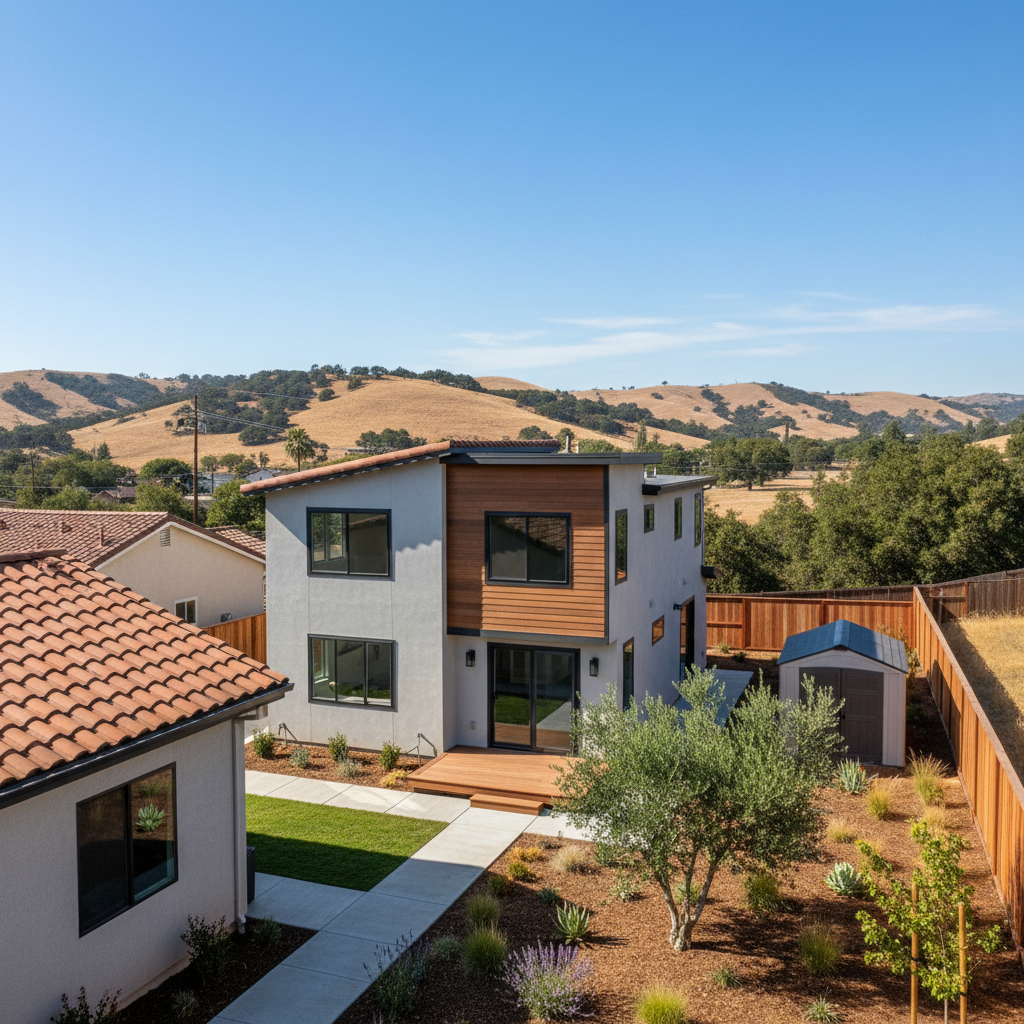
Alright, you've decided to build an ADU. That's awesome. Maybe it's for family, maybe for rental income, or maybe just to make better use of your property. Whatever the reason, once you're past the initial 'should I or shouldn't I' stage, you hit the engineering part. And for a lot of folks, that's where things start to get a little fuzzy. It's not just about drawing some lines; it's about making sure your ADU stands up, connects right, and meets all the rules. Let's break down what to expect so you can go into this with your eyes wide open.
Understanding the ADU Engineering Timeline
How long does this all take? That's usually the first question I get. And the honest answer is, it varies. But I can give you a pretty good roadmap. Generally, you're looking at a few distinct phases, and each one has its own timeline.
- Initial Site Assessment & Feasibility (2-4 weeks): This is where we figure out what's even possible on your lot. We're looking at setbacks, utility connections, tree protection, and existing structures. Sometimes we need a survey if you don't have a recent one. This isn't strictly engineering yet, but it informs everything that follows.
- Architectural Design (4-12 weeks): Your architect takes the feasibility info and your wish list, then starts drawing. They'll create floor plans, elevations, and all the aesthetic stuff. This phase often involves a few rounds of revisions until you're happy.
- Structural Engineering (3-6 weeks): Once the architectural plans are solid, the structural engineer steps in. They design the foundation, framing, roof structure, and make sure it can withstand earthquakes – a big deal here in San Jose, as we all know. They'll also consider things like soil conditions, especially if you're in an older neighborhood with expansive clay soils, which can really impact foundation design.
- MEP (Mechanical, Electrical, Plumbing) Engineering (2-4 weeks): This is for your HVAC, electrical layout, and plumbing systems. They figure out where all the pipes, wires, and ducts go, making sure everything is up to code and works efficiently.
- Title 24 Energy Calculations (1-2 weeks): This is a state requirement to ensure your ADU is energy efficient. A specialist usually handles this, and it ties into the MEP designs.
- Plan Check & Permitting (8-16+ weeks): After all the engineering is done, the complete set of plans goes to the City of San Jose for review. This can be the longest and most unpredictable part. They'll check everything for compliance with building codes, zoning, and local ordinances. Revisions might be required, which, of course, adds time.
So, from start to finish, just for the design and permitting phase, you're easily looking at 6 to 12 months, sometimes more. It's a marathon, not a sprint.
What to Expect During the Process
It's not always a straight line. There will be questions, revisions, and sometimes, unexpected challenges. You'll be working with an architect, structural engineer, possibly a civil engineer (for grading or drainage), and MEP engineers. They'll all need information from you, and they'll be communicating with each other to coordinate their designs.
Expect to review plans at various stages. Don't just skim them; really look at what's being proposed. Ask questions if you don't understand something. It's much easier and cheaper to change a line on a drawing than to move a wall once it's built.
How to Prepare for Engineering
Preparation is key to a smoother process. Here's what I tell my clients:
- Gather your property documents: Have your property survey, existing house plans (if you have them), and any previous permits handy. This saves everyone a lot of time.
- Know your budget: Be realistic about what you want to spend. Engineering decisions often have cost implications for construction. A good engineer can help find cost-effective solutions.
- Communicate your vision: Clearly tell your architect and engineers what you want the ADU to be. How many bedrooms? What kind of kitchen? What's the primary use? The more detail, the better.
- Understand the rules: Familiarize yourself with San Jose's ADU ordinances. While your pros will handle the specifics, knowing the basics helps you understand their recommendations.
- Be available: There will be questions and decisions that need your input. Being responsive keeps the project moving.
Questions to Ask Before Signing a Contract
Before you commit to an engineering firm or a design-build company like San Jose ADU Solutions, make sure you're clear on a few things:
- What's included in their scope of work? Be specific. Does it cover structural, MEP, Title 24, civil engineering? Will they handle all city submittals?
- What's their communication process? How often will you get updates? Who is your main point of contact?
- What's their experience with ADUs in San Jose? Local experience means they know the city's specific requirements and common issues.
- What's the estimated timeline for their portion of the work? Get it in writing.
- What are the payment terms? Understand the deposit, progress payments, and final payment schedule.
- What happens if the city requires revisions? Is that included, or is it an additional cost? This is a big one, as revisions are common.
- Can they provide references from other ADU projects? Always a good idea to check.
Look, getting an ADU built is a big undertaking. The engineering phase is critical because it lays the groundwork for everything that follows. By understanding the process, preparing properly, and asking the right questions, you'll be much better equipped to navigate it successfully. It's all about building smart from the ground up.