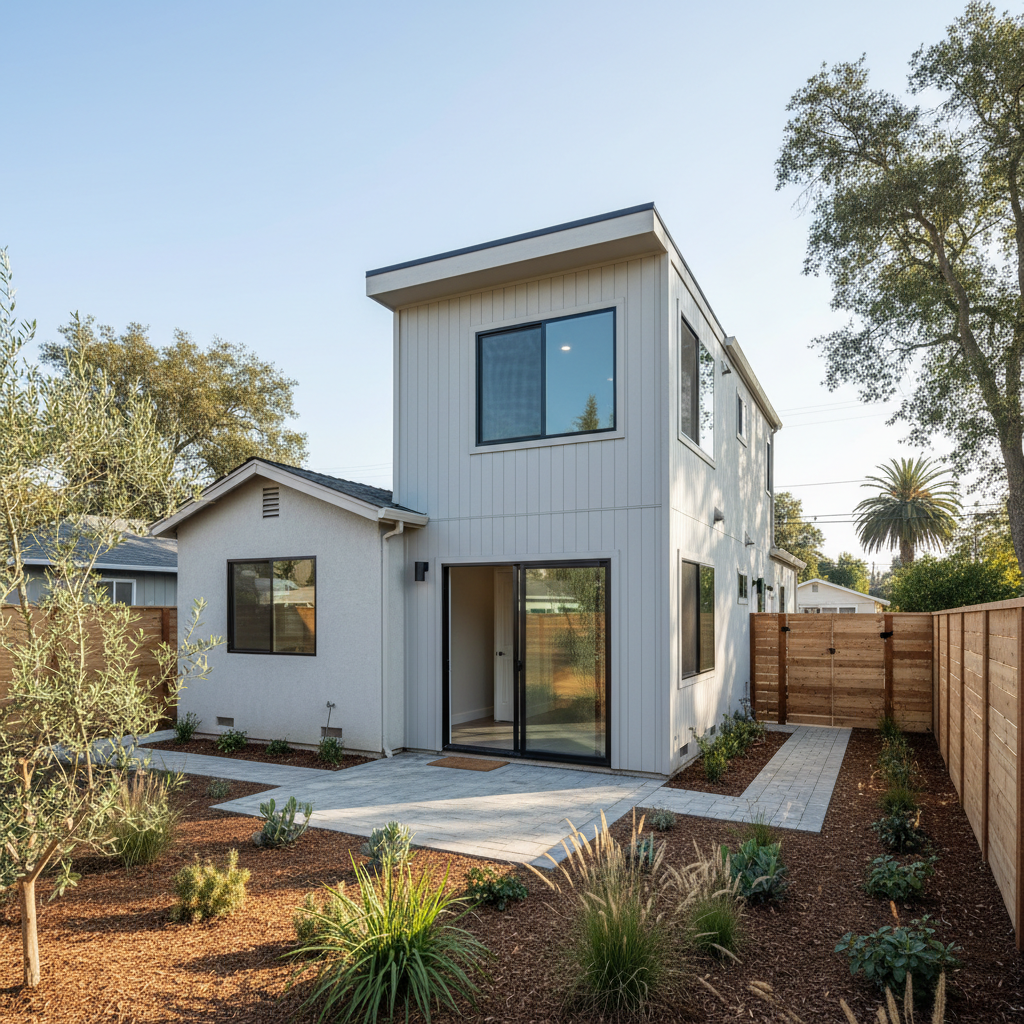
So, you're thinking about adding an ADU to your San Jose property. Smart move, really. It's an excellent way to boost your property's value, grab some rental income, or just carve out extra space for family. But the first question everyone, and I mean everyone, asks is always, "What's this thing actually gonna cost me?" And you know what? It's not a simple answer. Still, I can give you some solid, realistic figures based on what we here at San Jose ADU Solutions see every single day.
What Makes ADU Costs Go Up (or Down)?
A whole bunch of things factor into the final price. It's not just how big the unit is, though that's definitely a big one. Think about these points:
- Size and Type: A detached, 1,200 sq ft two-bedroom ADU is going to cost way more than, say, a 400 sq ft attached studio conversion. Conversions (like turning a garage or basement into a living space) are usually the cheapest because you're reusing existing foundations and walls. New construction, especially if it's detached, just costs more.
- Site Conditions: This is huge. Is your lot flat and easy to get to, or is it on a slope? Do we need to bring in heavy machinery? Are there big, old trees that need protecting — or even removing? And what about utility hookups? If your main sewer line is clear across the yard, that means more trenching and, yep, more cost. We see this a lot in older neighborhoods, like Willow Glen, where the original infrastructure can be a bit quirky.
- Finishes and Features: This is where you really get to control your budget. Basic, durable finishes will save you a ton compared to custom cabinetry, imported tiles, or all that fancy smart home tech. Do you want standard laminate flooring or engineered hardwood? A simple shower, or one of those walk-ins with multiple jets?
- Utility Connections: Are you tying into your main house's existing utilities (water, sewer, electric, gas), or do you need separate meters? Separate meters mean more work, more permits, and, you guessed it, more cost. Sometimes, we even need to upgrade your main electrical panel to handle the extra load, which adds another expense.
- Permit and Impact Fees: San Jose has its own fee structure, and these aren't cheap. They cover everything from planning reviews to school district impact fees. These are non-negotiable and can easily run into the tens of thousands before we even break ground.
Typical ADU Cost Ranges in San Jose
Alright, let's talk numbers. These are rough estimates, but they'll give you a good idea of what to expect:
- Garage Conversions (200-400 sq ft): You're usually looking at $80,000 to $150,000. This is often the most budget-friendly choice since you're working with a structure that's already there.
- Attached ADUs (400-800 sq ft): These can run from $150,000 to $250,000. You're building onto your existing home, which saves a bit on foundation and exterior wall costs compared to a detached unit.
- Detached New Construction (400-1,200 sq ft): This is the big one. Expect anywhere from $250,000 to $450,000+. A smaller, basic detached unit might hit the lower end, but a larger, well-appointed one can easily push past $400k. The cost per square foot tends to drop a little with bigger units, but the overall price is, naturally, higher.
Just keep in mind, these numbers don't include things like landscaping around the ADU or super specialized custom features. This is for a solid, well-built, permitted unit.
What Should a Good Quote Include?
When you get a quote from us — or any other reputable contractor, for that matter — it shouldn't just be a single number. You want a detailed breakdown. Here's what you should expect to see:
- Design & Architectural Plans: The cost for drafting blueprints, engineering, and any necessary surveys.
- Permit & Fees: An estimate or the exact cost for all city and county permits, impact fees, and plan check fees.
- Site Work: Grading, excavation, trenching for utilities, and preparing the foundation.
- Foundation: Materials and labor for the concrete slab or raised foundation.
- Framing: Lumber, plus the labor for walls, roof, and so on.
- Roofing: Materials and installation.
- Exterior Finishes: Siding, stucco, windows, doors.
- Utility Connections: Plumbing, electrical, HVAC (heating, ventilation, air conditioning) hookups and installations.
- Insulation & Drywall: Materials and labor.
- Interior Finishes: Flooring, paint, cabinetry, countertops, fixtures (lighting, plumbing), appliances.
- Project Management: The contractor's overhead and profit.
- Contingency: A smart contractor will often include a small contingency fund (5-10%) for any unforeseen issues.
If a quote feels vague, just walk away. You absolutely need to know what you're paying for.
How to Avoid Overpaying for Your ADU
Nobody wants to get ripped off, especially on a big project like this. Here's my advice:
- Get Multiple Bids: Don't just go with the first contractor you talk to. Get at least three detailed quotes. This helps you compare apples to apples and really understand the going market rate.
- Be Clear on Your Scope: The more specific you are about your wants and needs upfront, the less chance you'll face costly change orders later. Know your desired square footage, how many rooms you want, and a general idea of your finish level.
- Understand the Contract: Read every single line. If something doesn't make sense, ask. Make sure it spells out materials, timelines, payment schedules, and what happens if there are delays or unexpected problems.
- Don't Always Go with the Lowest Bid: The cheapest bid often means corners are being cut, or they've missed something important. A ridiculously low price is a huge red flag, believe me. You want value, not just cheap.
- Ask About Value Engineering: A good contractor, like us at San Jose ADU Solutions, can suggest ways to save money without sacrificing quality. Maybe a different type of window, or a slightly less expensive flooring that looks just as good and is just as durable.
- Factor in Long-Term Value: Sometimes spending a little more upfront on durable materials or energy-efficient systems saves you money in the long run through lower utility bills and less maintenance.
Building an ADU is a significant investment, but it's one that usually pays off big time here in San Jose. Do your homework, ask the tough questions, and work with a contractor you trust. You'll be glad you did.