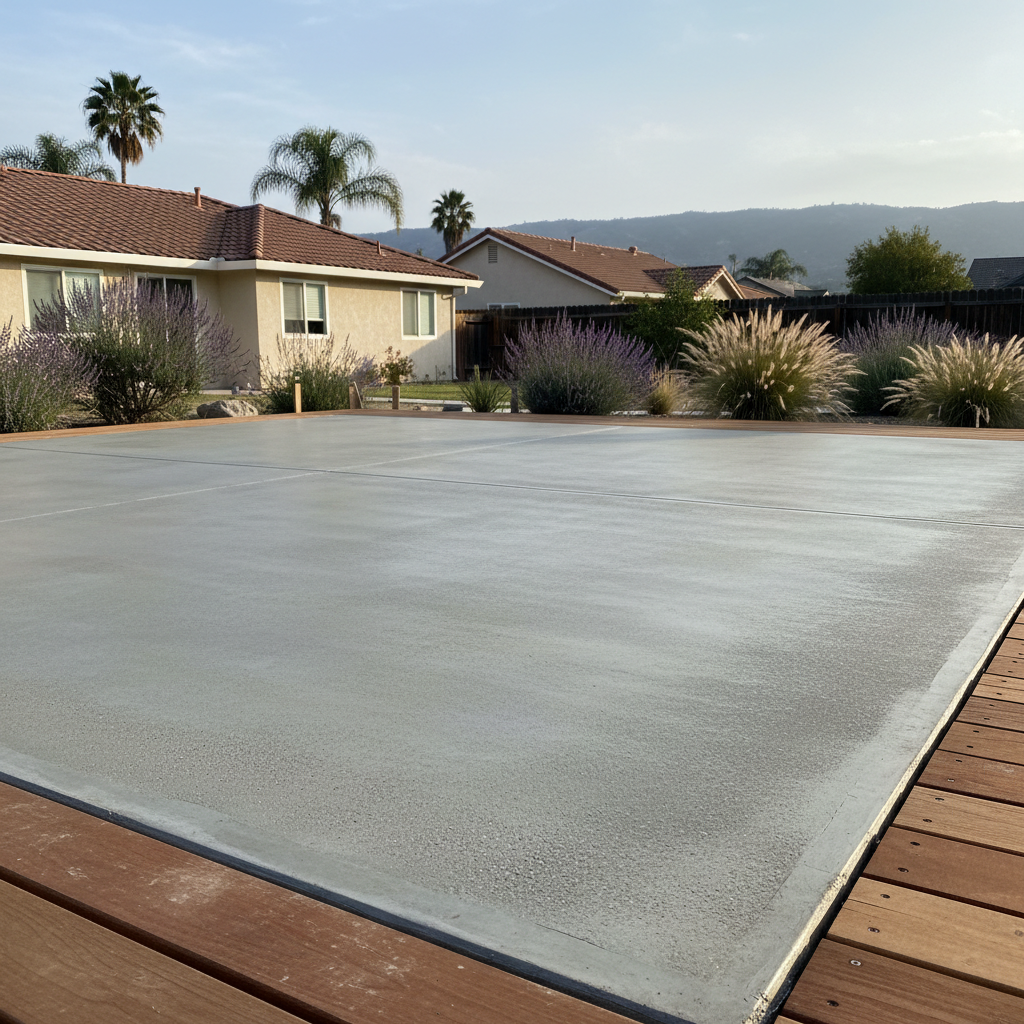
You're thinking about building an ADU, that's great. It's a smart move for extra income, family space, or just boosting your property value. But before you get too far down the road, you've gotta figure out if your property can even handle one. That's where a site assessment comes in. Now, a full-blown assessment needs pros, no doubt, but there's a lot you can check yourself right from your backyard. This isn't about replacing the experts; it's about being smart and informed before you call us in.
Before You Even Step Outside
First things first, pull up your property records. You can usually find these on the Santa Clara County Assessor's website or the City of San Jose's planning department portal. What are you looking for? Your lot size, zoning designation (R-1, R-2, etc.), and any recorded easements. Easements are super important; they're legal rights for someone else (like the city or a utility company) to use a specific part of your land. If you've got a big utility easement running right through where you want to put your ADU, that's a problem you need to know about early.
Also, check your setbacks. These are the minimum distances your structure needs to be from your property lines. San Jose has pretty friendly ADU rules now, often allowing 4-foot side and rear setbacks for detached units, and no front setback if it's behind the main house. But it's worth double-checking your specific zone. Knowing these numbers upfront helps you visualize where an ADU could actually go without bumping into trouble.
What to Look For in Your Yard (The DIY Walk-Through)
Alright, now go outside and walk your property like you're a detective. Grab a tape measure, a notepad, and maybe your phone for pictures. Here's what I tell folks to keep an eye on:
- Space: Obvious, right? Can you actually fit an ADU of a decent size (say, 400-800 sq ft) while respecting those setbacks you just looked up? Measure it out. Don't forget about access for construction. We'll need room to bring in materials and equipment. If your only access is through a narrow side yard, that's something we need to plan for.
- Slope and Drainage: Is your yard flat or does it slope? If it slopes significantly, you're looking at more complex foundation work, which means more cost. Where does water go when it rains? Are there low spots where water collects? You don't want your new ADU sitting in a puddle every winter. Good drainage is key, especially with our heavy rains sometimes.
- Existing Utilities: Where are your main sewer line, water line, gas line, and electrical panel? Can you easily tie into them? If your main sewer line runs all the way to the street and your ADU is at the back of a deep lot, you're looking at a long trench and more expense. Sometimes, we find older homes in areas like Willow Glen have aging infrastructure that might need upgrades when adding a new unit. Take photos of where these lines appear to enter your house or property.
- Trees: Are there any large trees in the way? Especially mature ones? Removing a big tree can be costly, and if it's a protected species, it might not even be allowed. Also, tree roots can be a real headache for foundations and utility lines. Look for signs of roots near where you plan to build.
- Overhead Lines: Look up! Are there any power lines or communication lines running over your proposed ADU site? This can impact construction access and even the height of your ADU.
- Neighboring Structures: How close are your neighbors' houses or garages? Are there any windows facing your property that might lose privacy? Thinking about this now can help you adjust your ADU's placement or design to be a good neighbor.
When to Bring in San Jose ADU Solutions (and Why)
After you've done your homework, you'll have a much clearer picture. You'll know if you've got a straightforward site or one with some challenges. This is where a professional site assessment comes in. When you call us, we're not just looking at the obvious stuff. We're looking at things like:
- Soil Conditions: Is your soil expansive clay that moves a lot, or is it stable? This impacts foundation design big time. We'll often recommend a geotechnical report.
- Precise Utility Locations: We'll use tools to accurately locate underground lines, not just guess.
- Detailed Zoning Analysis: We'll confirm all setbacks, height limits, and other specific city requirements for your parcel.
- Feasibility and Cost Estimation: We can give you a much more accurate idea of what's possible and what it'll cost, taking into account all the site-specific factors.
- Permitting Hurdles: We know the San Jose permitting process inside and out and can flag potential issues early.
Your DIY check is a fantastic starting point. It helps you understand your property better and prepares you for a more productive conversation with us. You'll be able to ask smarter questions and understand our recommendations better. It's all about making informed decisions for your ADU project.