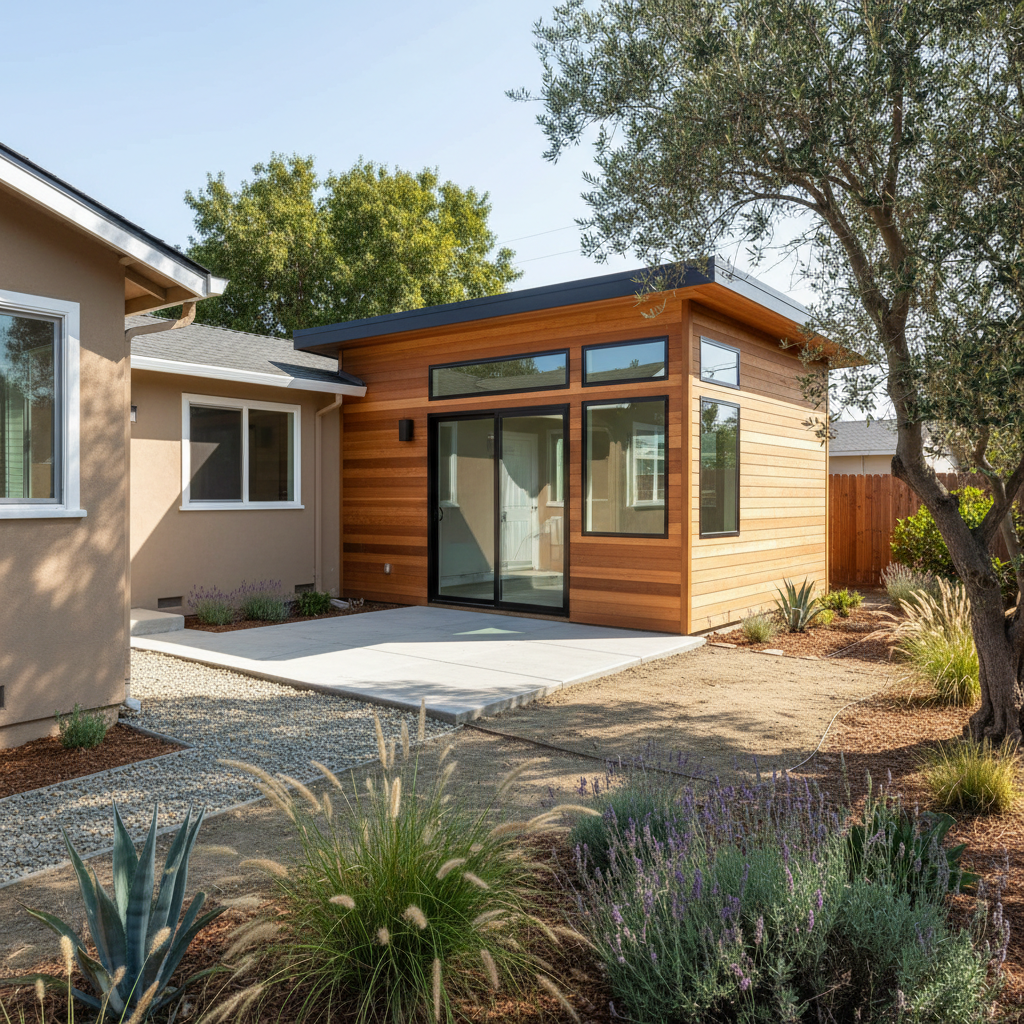
What Really Drives ADU Costs in San Jose?
Alright, let's get straight to it. You're thinking about building an ADU right here in San Jose, and the first thing that pops into your head is probably, "How much is this going to cost me?" That's a totally fair question, and honestly, it's not like you can just pull a number out of thin air. A whole bunch of things can make that price tag go up or down.
First off, size really does matter. A small studio, say 400 square feet, will obviously cost a lot less than a full 1,200 square foot unit with two bedrooms. That's just common sense, right? Then there's the type of ADU. A detached unit usually costs more than, say, converting an existing garage or adding onto your main house. Why's that? Well, you're looking at more foundation work, more new walls, a whole new roof — basically, more of everything from scratch.
The actual building site plays a huge role too. If your backyard is flat and easy to get to, that's great. But if we're talking about a sloped lot up in the Almaden Valley hills, or if there are big, old trees that need special protection, those things will definitely add to your site prep and foundation costs. Utilities are another big one. If we have to dig a trench 100 feet across your yard to hook up to the sewer, water, and electrical, that's a much bigger expense than just tying into existing lines a few feet away.
And don't forget about the finishes. Are you aiming for basic, durable stuff that's good for a rental, or are we talking high-end quartz countertops, custom cabinets, and fancy tile work? Those choices can easily swing the cost by tens of thousands of dollars.
Typical Cost Ranges for San Jose ADUs
So, what kind of money are we actually talking about? I've seen a pretty wide range, but I can give you some realistic numbers based on what we've built and what other good contractors are doing.
- Garage Conversion (400-600 sq ft): You're generally looking at somewhere between $120,000 and $200,000. This is often the most budget-friendly choice because a lot of the structure is already there.
- Attached ADU (600-800 sq ft): These usually run from $200,000 to $300,000. You're building new, sure, but you're sharing a wall and possibly some utility connections with the main house, which can save a little cash.
- Detached ADU (600-1,200 sq ft): This is where the costs really start to climb. Expect to pay anywhere from $250,000 to $450,000, and sometimes even more for bigger, custom builds with really nice finishes.
These numbers cover everything from the design and permits to the actual construction and final touches. Just remember, these are averages. Your specific project could be lower or higher depending on all those factors I just mentioned.
What Should a Comprehensive ADU Quote Include?
When you get a quote from San Jose ADU Solutions — or, frankly, any other contractor — you need to make sure it's thorough. A good quote isn't just one big number; it breaks things down so you know exactly what you're paying for. Here's what you should expect to see:
- Design & Permitting: This covers architectural plans, engineering, and all the city fees for permits. Don't try to skimp here; good plans save you a lot of headaches later.
- Site Work: Things like grading, excavation, utility trenching, and pouring the foundation. This can be a big chunk, especially if your site has challenges.
- Framing & Roofing: These are the bones of the whole structure.
- Exterior Finishes: Siding, windows, doors, and exterior paint.
- Rough-ins: Plumbing, electrical, and HVAC systems all installed before the walls get closed up.
- Insulation & Drywall: Making it comfortable and ready for paint.
- Interior Finishes: Flooring, cabinets, countertops, fixtures, and interior paint. This is where your personal style really comes in and can significantly impact the cost.
- Landscaping/Hardscaping (basic): Often includes simple pathways or grading around the unit, but any extensive landscaping would be a separate item.
- Project Management: This covers the contractor's overhead and profit for coordinating everything.
If a quote seems suspiciously low, it probably means they've left out a bunch of these items, and you'll get hit with change orders later. Always, always ask for a detailed breakdown.
How to Avoid Overpaying for Your San Jose ADU
Nobody wants to get ripped off, especially on a big investment like an ADU. Here's how you can protect your wallet:
- Get Multiple Bids: Don't just go with the first contractor you talk to. Get at least three detailed quotes. This helps you compare apples to apples and understand the going rate.
- Be Specific About Finishes: Before you even get quotes, have a pretty good idea of the level of finishes you want. "Nice kitchen" is just too vague. "Shaker cabinets, quartz countertops, and stainless steel appliances" is much, much better. The more detailed you are, the more accurate the quote will be.
- Understand the Contract: Read every single line. Ask questions about anything you don't understand. What's included? What's not? What's the process for change orders?
- Don't Chase the Lowest Bid: The cheapest option isn't always the best, you know? Sometimes it means cutting corners, using cheaper materials, or having a crew that's not as experienced. You'll end up paying for it in headaches or repairs down the line. Look for value, not just the lowest price.
- Consider a Home Equity Loan or HELOC: For financing, many San Jose homeowners use their home's equity. A home equity loan gives you a lump sum, while a Home Equity Line of Credit (HELOC) lets you draw funds as you need them, which can be great for construction projects where costs are spread out. You can also look into construction loans, but those often have stricter draw schedules and requirements.
- Check References and Licenses: Always, always, always check a contractor's license with the CSLB and call their references. A good contractor will have plenty of happy clients.
Building an ADU is a big project, but it's a smart investment here in San Jose, whether you're looking for rental income or just more space for family. Do your homework, get solid quotes, and don't be afraid to ask tough questions. That's how you make sure you get a quality build at a fair price.