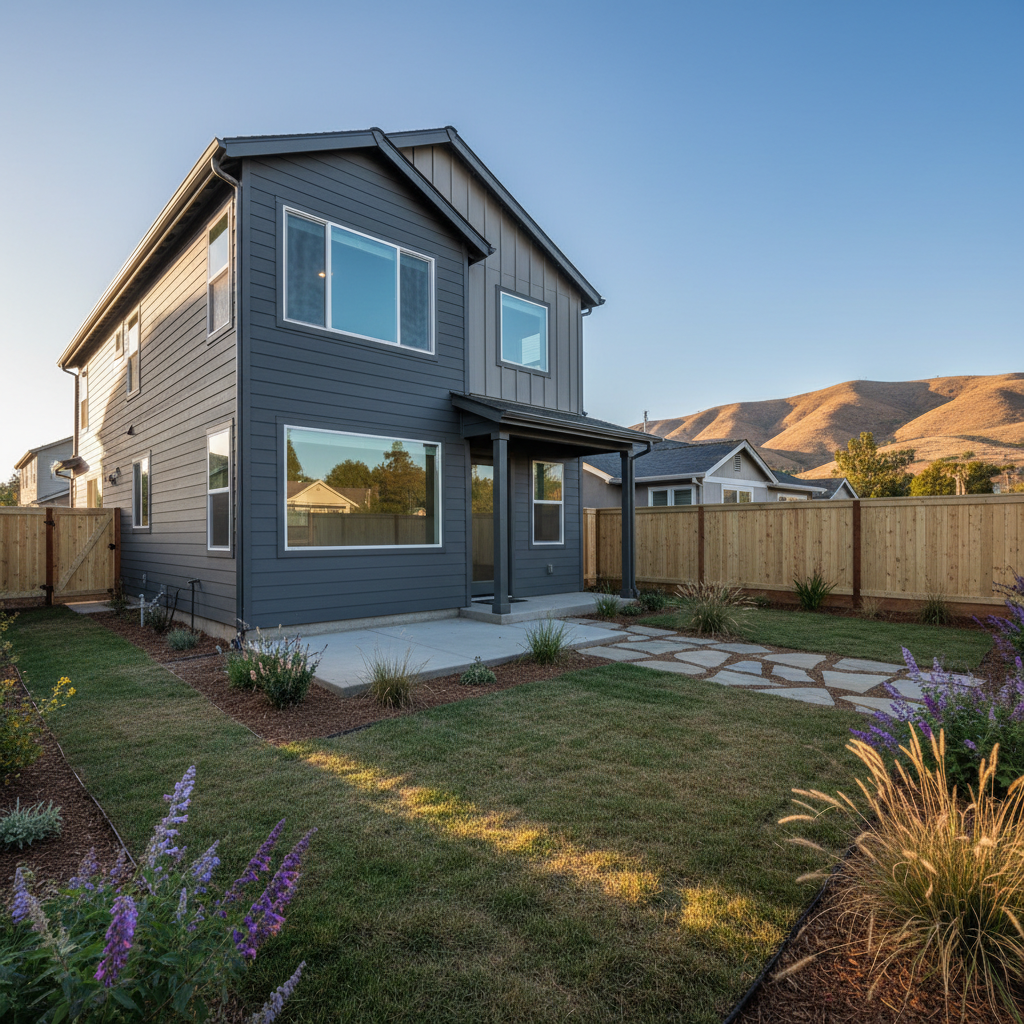
So, you've decided to build an ADU. Awesome! That's a really smart move for boosting property value and adding flexibility, especially here in San Jose where space is, let's face it, pretty tight. But before you even think about paint colors, you've got to get through the engineering phase. This isn't just some bureaucratic hoop; it's the absolute backbone of your whole project. I've seen so many homeowners stumble right here, so let's talk about what you really need to know.
Understanding the ADU Engineering Timeline
Let's be honest, nothing in construction happens overnight, and engineering is definitely no exception. It's not just a quick sketch, you know? It's a super detailed plan that makes sure your ADU is safe, sturdy, and follows all the local rules. Typically, once you've got your architectural plans roughly sketched out, the engineering process itself can easily take anywhere from 4 to 12 weeks. Yeah, that's a pretty wide range, but it really depends on a few things.
- How complex is the design? A simple detached ADU on a flat lot will zip through faster than, say, a two-story addition built over a tricky foundation, or an attached unit that needs big structural changes to your main house.
- What are the site conditions like? Is your property on a slope? Do you have those expansive clay soils that are so common in places like Almaden Valley? These kinds of things mean more detailed geotechnical reports and specialized foundation design, and that just adds time.
- The engineer's workload: Good engineers are always busy. You'll want someone reputable, and that often means they've got a bit of a queue.
- Revisions: This is the big one, believe me. If your architect, engineer, and you are constantly going back and forth with changes, it really stretches things out. Try to make up your mind early on.
Oh, and don't forget to factor in the time it takes for the City of San Jose to review your permits after engineering is all done. That's a completely different ballgame, but having solid engineering plans definitely makes that part go smoother.
What to Expect During the Engineering Process
Alright, so what exactly happens? It's not just a bunch of math nerds in a room, you know. It's actually a team effort.
First off, your engineer will grab your architectural plans—the pretty pictures and layouts—and turn them into blueprints that can actually be built. This means they'll design all the structural stuff: the foundation, the framing (that's your walls, roof, and floors), and any retaining walls you might need. They'll specify the types of materials, the exact sizes of beams, how far apart your studs should be, and how everything connects to handle things like seismic activity. We absolutely have to think about that here in California.
You'll probably need a geotechnical report too. This means a soil engineer will come out to your place, drill a small hole, and take some soil samples. They'll analyze the soil's makeup and how much weight it can bear. This report is super important for designing a foundation that won't settle or crack later on. We certainly don't want your ADU sinking into the ground!
The engineer will also work with other specialists if that's necessary. For instance, if you're building an attached ADU, they might need to check out your existing home's structural integrity. They'll also make sure all the designs meet the California Building Code and San Jose's specific requirements. That's a lot of rules, right?
You'll end up with a set of structural drawings, often with calculations, that become part of your permit application package. These aren't just suggestions; they're the actual instructions for the builders.
How to Prepare for Engineering Success
Getting ready for this stage can really save you a ton of headaches and money.
- Have Clear Architectural Plans: Before you even think about bringing an engineer into the picture, get your architectural plans as complete as humanly possible. Changes to architectural plans *after* engineering has started? That means re-doing all the engineering, and that costs more time and, yes, more money.
- Know Your Budget (Roughly): While engineering doesn't directly pick your finishes, the structural choices can definitely impact costs. Talk about your budget with both your architect and engineer so they can design something that's within reason.
- Understand Your Site: If you know your property has some unique challenges—like a steep slope or existing utility easements—bring these up right away. Providing a recent survey of your property is incredibly helpful, by the way.
- Be Responsive: When the engineer or architect sends you questions or plans to review, get back to them quickly. Delays on your end mean delays for everyone, plain and simple.
- Ask Questions: Don't be shy about asking why something is designed a certain way. It's your project, after all, and you absolutely deserve to understand it.
Key Questions to Ask Before Signing an Engineering Contract
Before you commit to an engineer, make sure you feel good about them and how they work. Here are some questions I'd definitely ask:
- What's your experience with ADUs specifically in San Jose? Local experience means they really know our building department and the common challenges we face around here.
- What's actually included in your fee? Get a super clear breakdown. Does it cover the geotechnical report? How many revisions do I get? What about site visits during construction?
- What's your estimated timeline for *this* project? Get a realistic expectation, not just the best-case scenario.
- Who will be my main point of contact? You want to know exactly who you'll be talking to directly.
- Can you give me references from other ADU projects? Always a good idea to check, right?
- How do you handle unexpected issues or changes if they pop up during construction? Things happen. You'll want to know their process for dealing with them.
- Will you coordinate directly with my architect and contractor? Good communication between everyone involved is just essential.
Getting your ADU engineered correctly is one of the most crucial steps you'll take. It really sets the stage for a smooth build and a safe, lasting structure. Here at San Jose ADU Solutions, we work closely with engineers we trust to make sure your project is built to last. Don't rush this part; take your time, ask the tough questions, and you'll be well on your way to a successful ADU.